
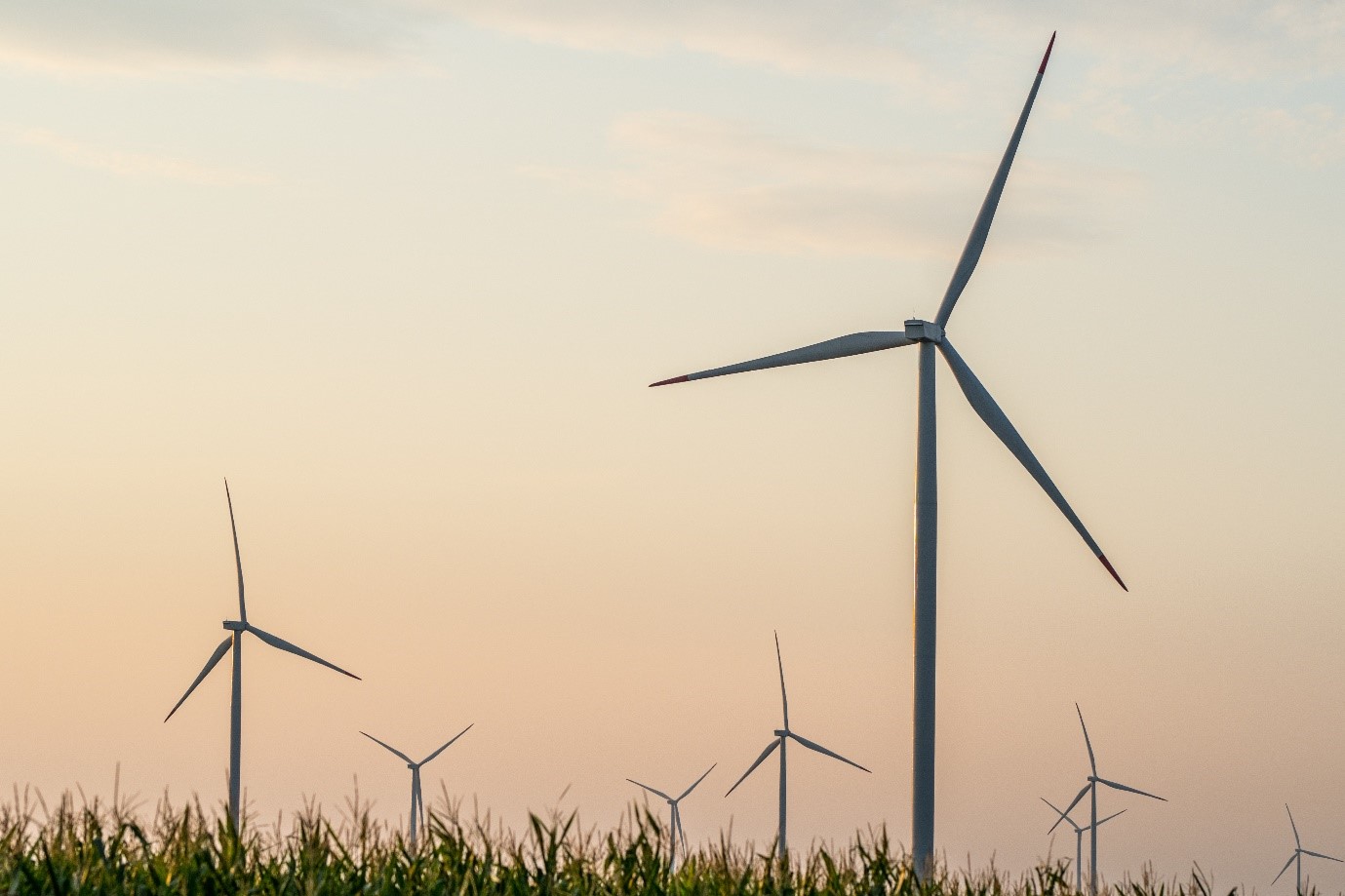
Masdar Taaleri Generation and Čibuk 2 Wind Energy are pleased to present the second phase of the Čibuk project – the Čibuk 2 wind farm with a capacity of 154 megawatts. Located southeast of the existing Čibuk 1 wind farm, Čibuk 2 is based approximately 40 kilometers from Belgrade, in the municipality of Kovin, in the Vojvodina region.
It is positioned between the villages of Bavanište and Mramorak, with the village of Dolovo a few kilometers to the north and the village of Deliblato a few kilometers to the southeast. Construction of the Čibuk 2 wind farm began in 2024, and it was officialy inaugurated in September 2026.
With a combined capacity of 313 megawatts of renewable, green energy, the Čibuk 1 and Čibuk 2 wind farms make a significant contribution to the Republic of Serbia’s international commitments to reduce carbon dioxide emissions, as well as to its goals of diversifying energy sources within the national energy system. The Čibuk 2 wind farm is expected to generate approximately 400,000 megawatt-hours of electricity annually, supplying enough power for more than 80,000 households. On an annual basis, it contributes to reducing carbon dioxide emissions by approximately 311,200 tonnes compared to electricity generation from coal-fired power plants. It also helps reduce emissions of sulphur dioxide by around 12,700 tonnes, nitrogen oxides by 1,470 tonnes, and fine particulate matter by 512 tonnes per year.
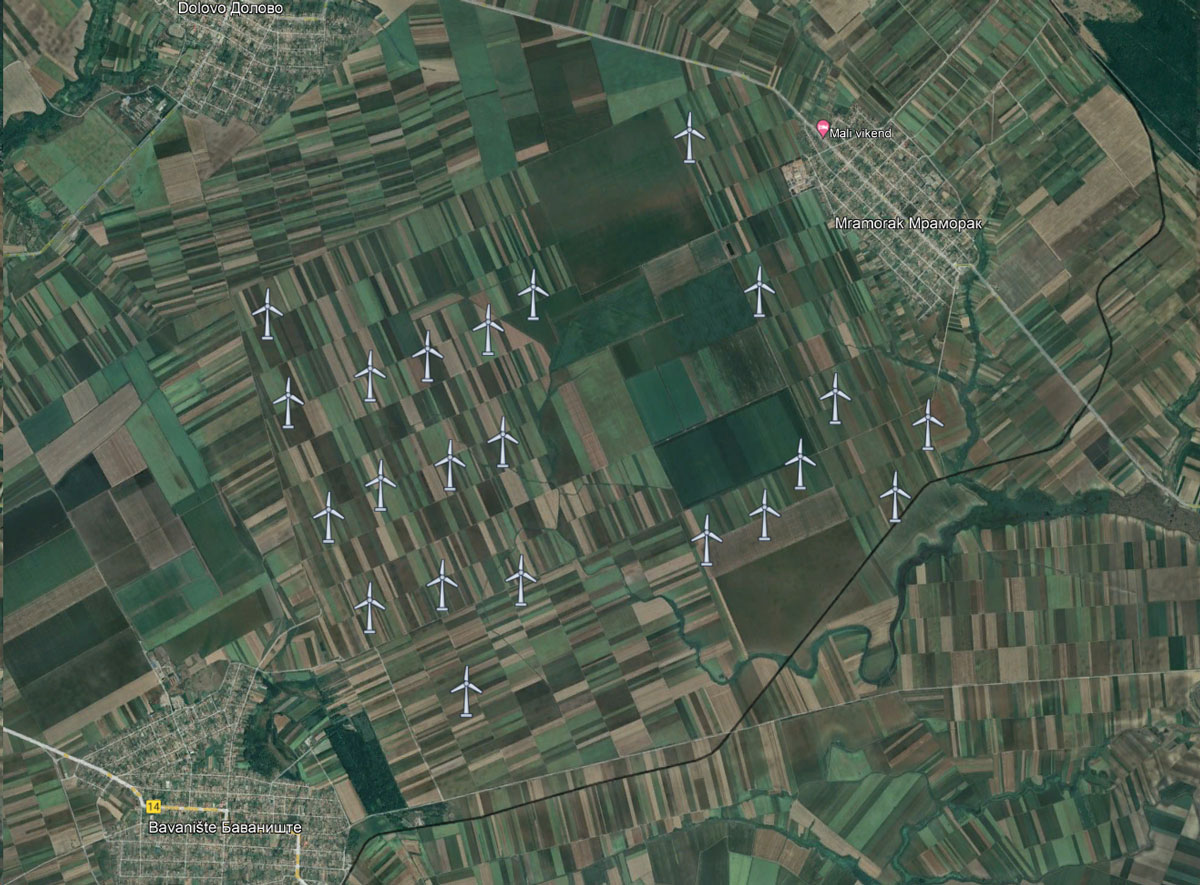
The Čibuk 2 site covers about 4,750 hectares of land which is used intensively for agricultural production. Importantly, the wind farm ocupies very small areas and more than 99% of the land remains under cultivation.
The Čibuk 2 project continues to support local community initiatives, as well as educational and philanthropic projects, through its Social Investment Plan. During the operational phase, this plan is implemented through an annual donation of 2% of net profit, in accordance with the business and technical cooperation agreement signed between Čibuk 2 Wind Energy and the Municipality of Kovin in 2022. These funds are allocated to local projects in the areas of healthcare, education, sports, infrastructure, and culture.

This operation benefits from the support from the European Union under the InvestEU Fund.